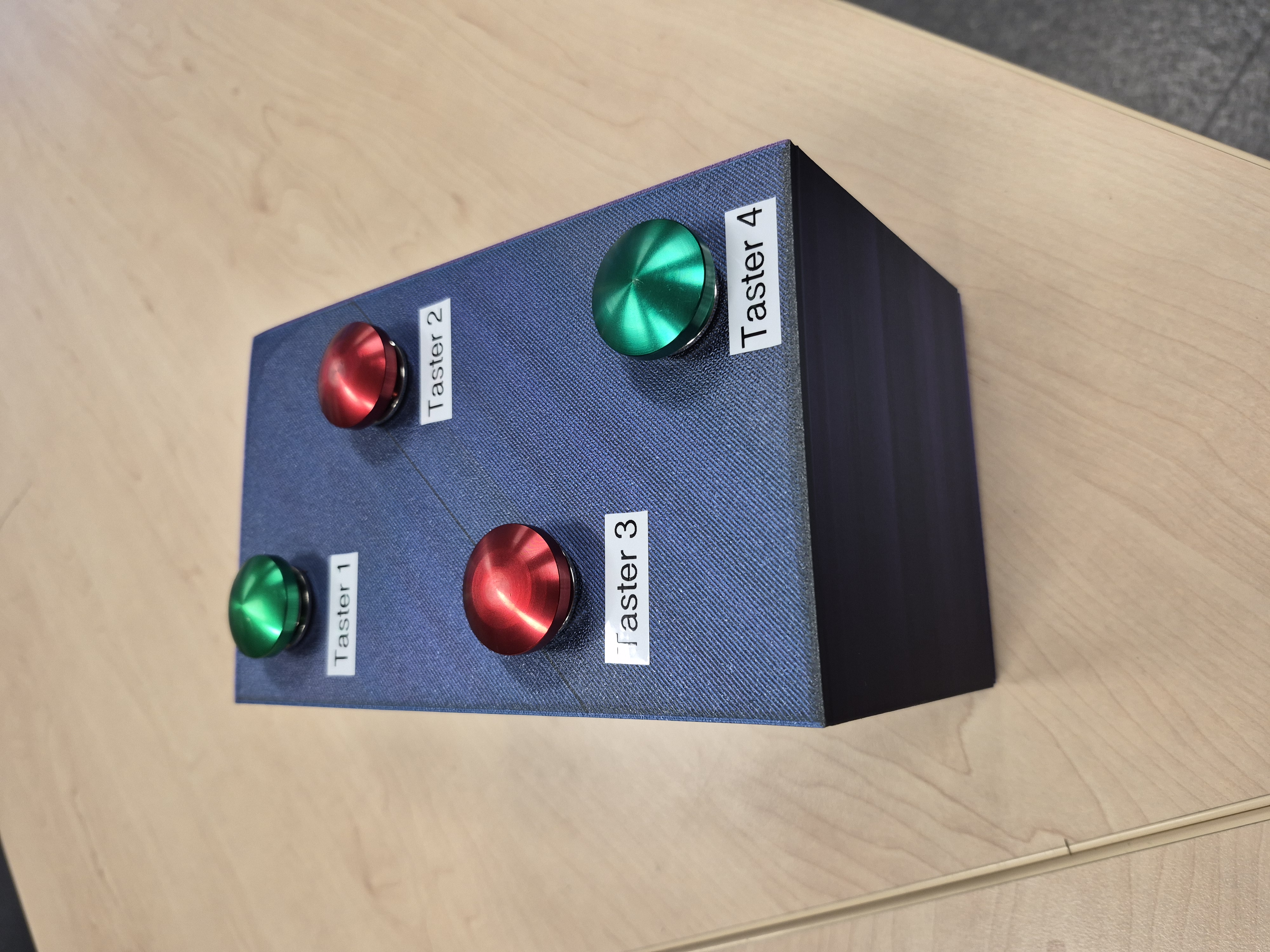
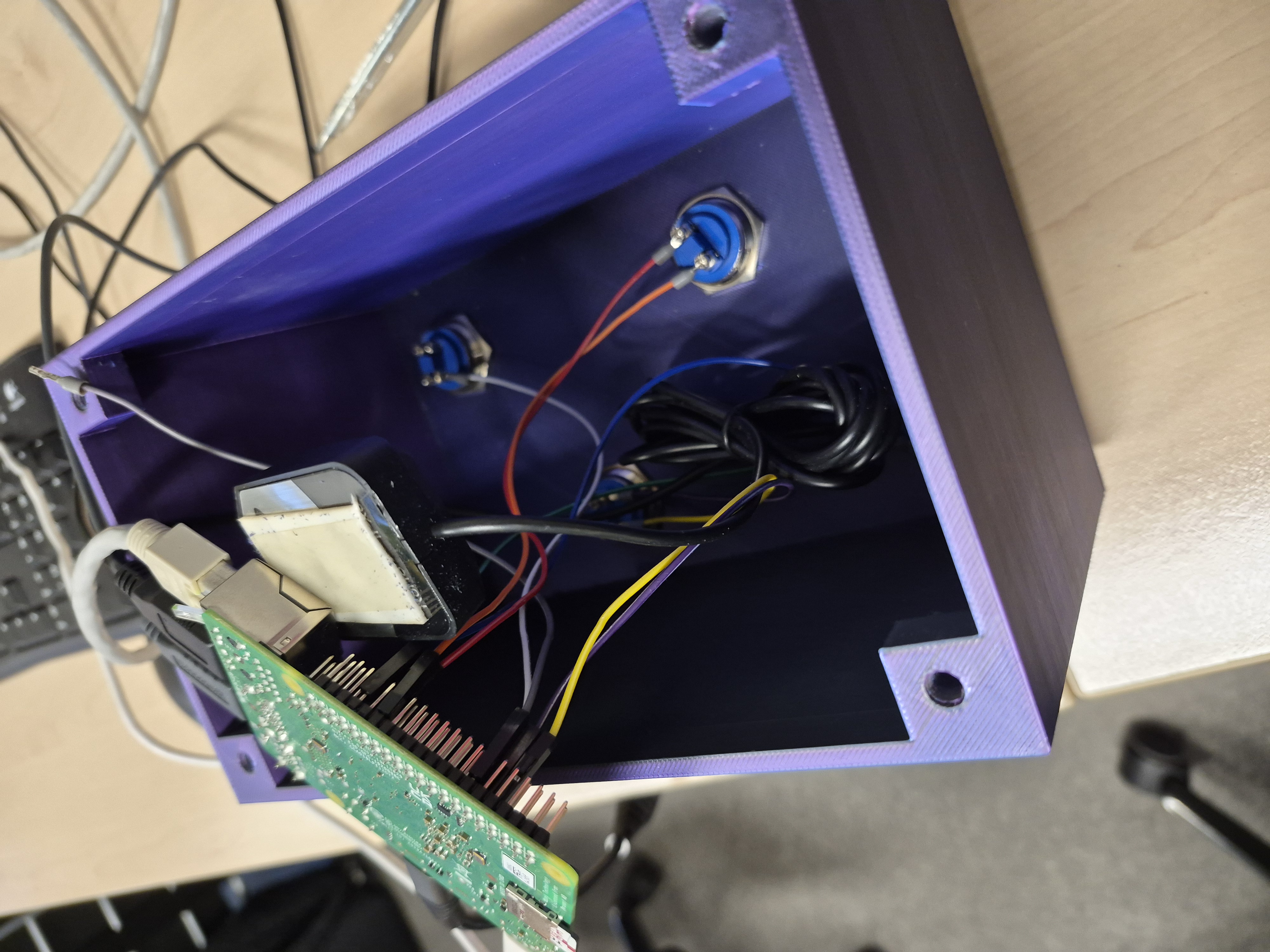
This is a 3D-printed control box featuring four physical switches. It's powered by a Raspberry Pi and connects to a website, allowing for real-time remote control of the web interface.
This is a 3D-printed control box featuring four physical switches. It's powered by a Raspberry Pi and connects to a website, allowing for real-time remote control of the web interface.
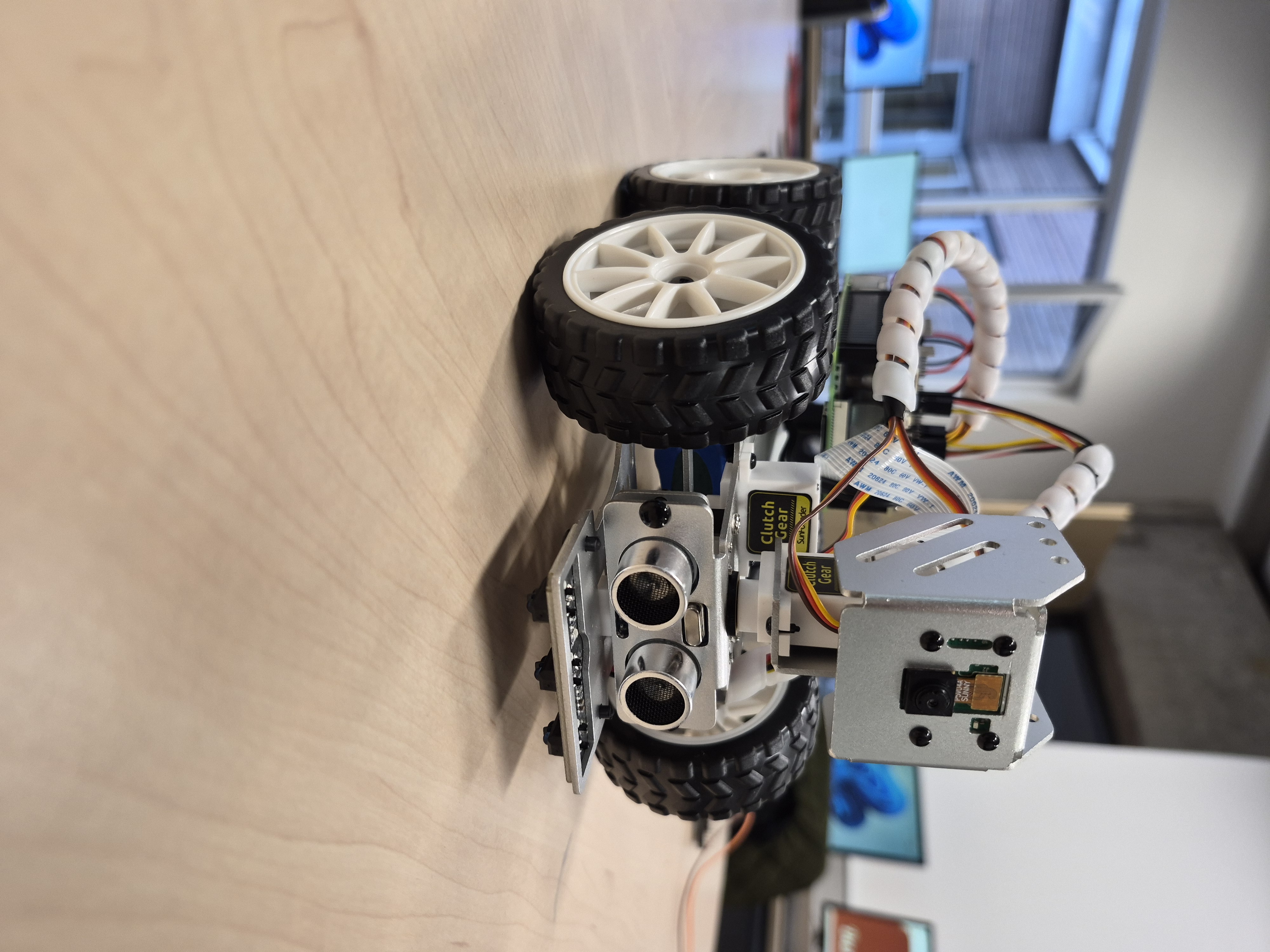
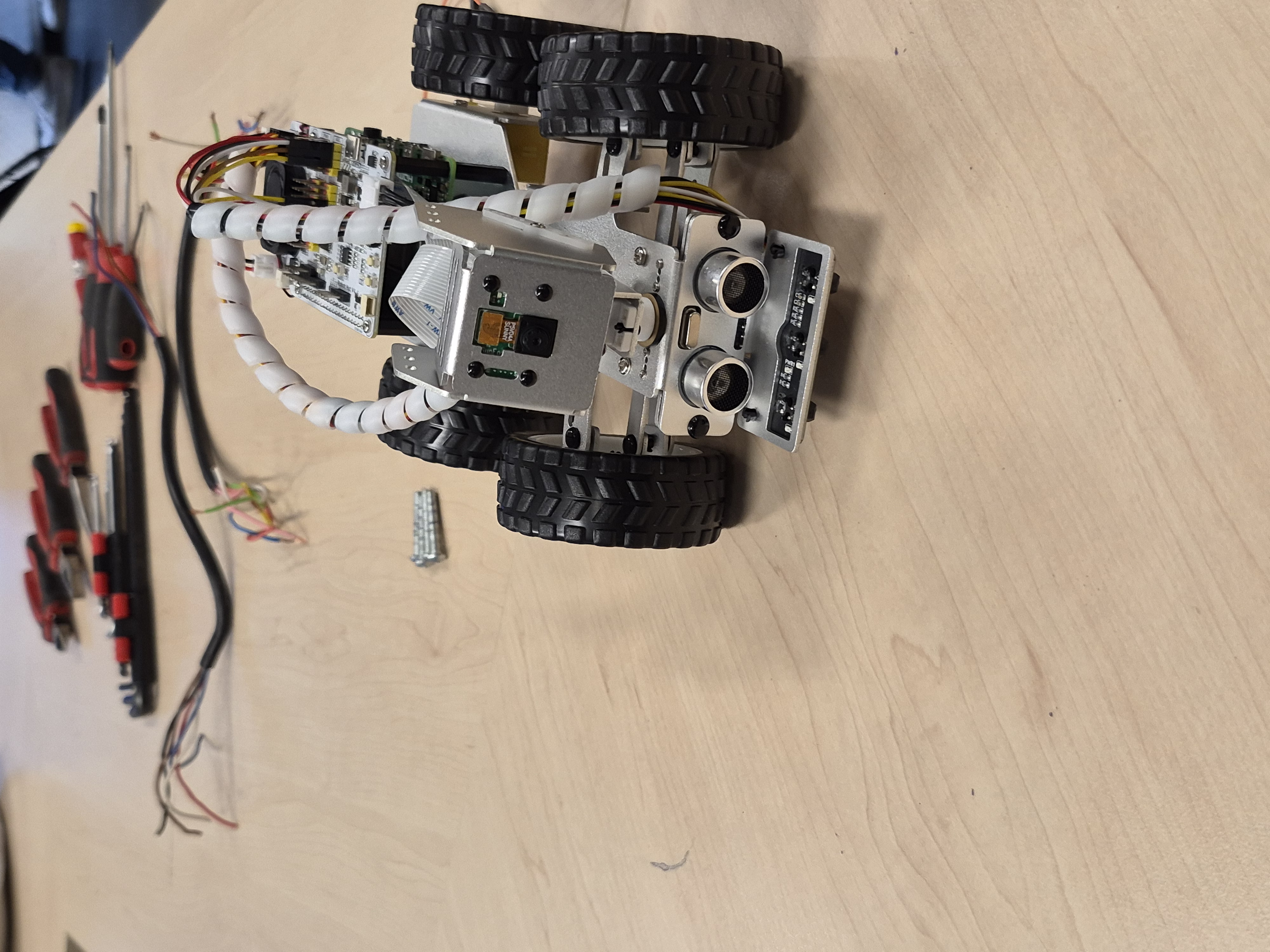
This is a self-built RC vehicle that will eventually be operated by people in wheelchairs. It is being programmed by our team and integrated into the wheelchair's control system.
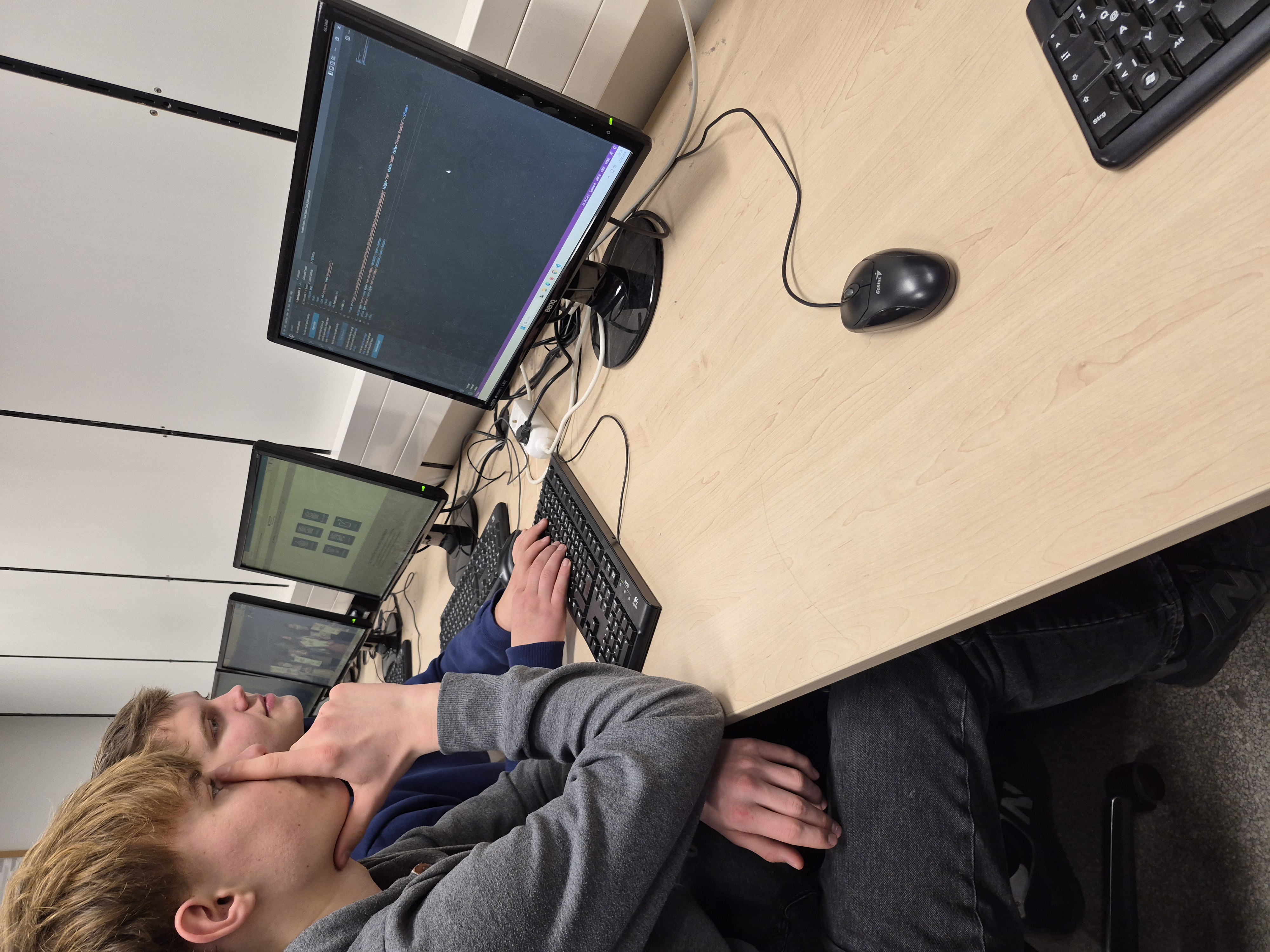
The photograph shows the software development phase, where students are configuring a TV system to be operated via a wheelchair control system.
The following video features a student demonstrating how modern assistive technology allows a wheelchair to function as a central control unit for home appliances, such as the television and lighting system.
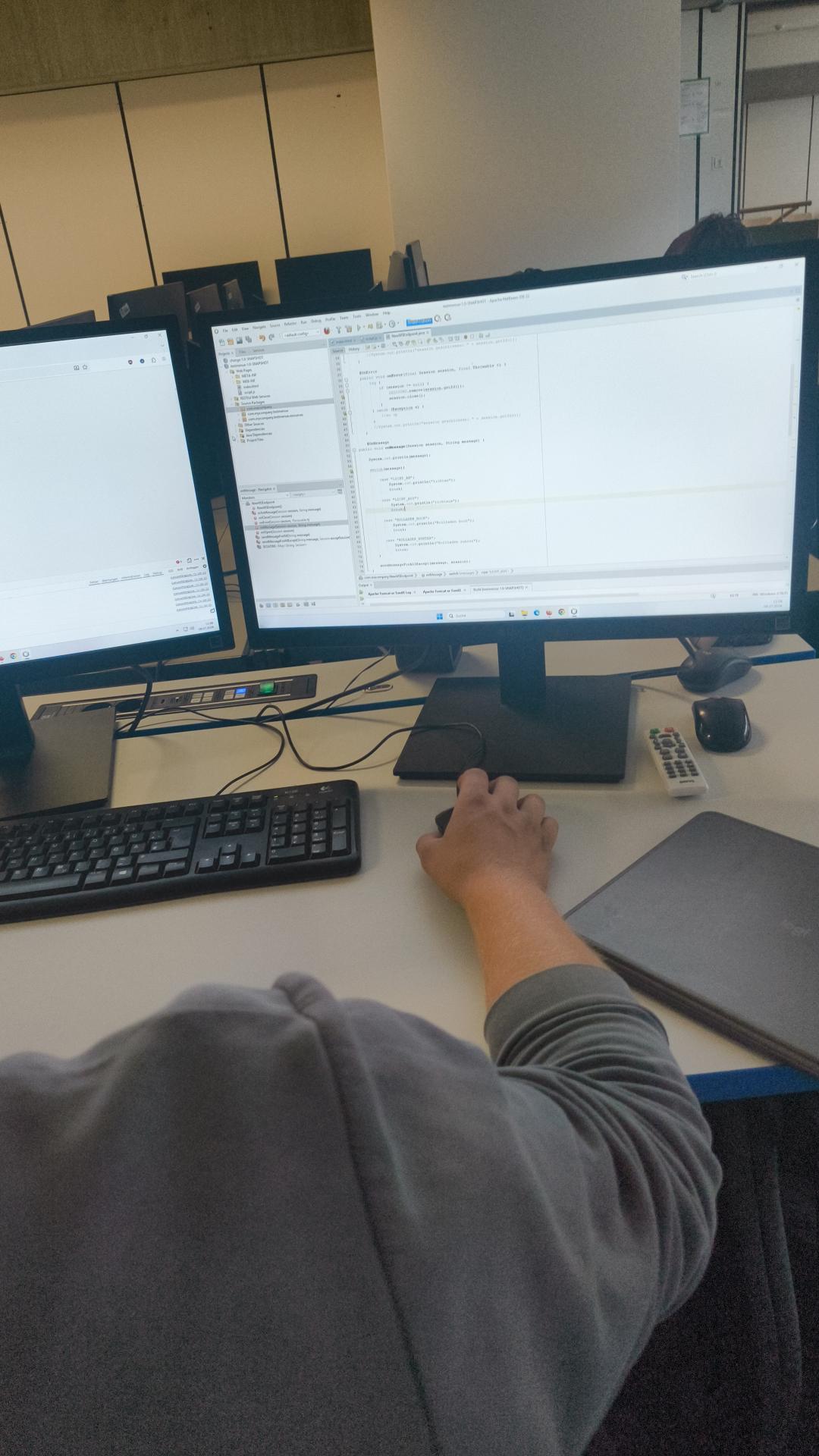
The following image shows the source code of the new server. It was developed to provide a dedicated server environment, allowing the project to operate independently without relying on external servers. This enables us to work without interruptions while giving us full control over the system. In addition, the new server offers significantly more features and greater flexibility than the previous one, making it better suited to the current requirements of the project and future expansions.
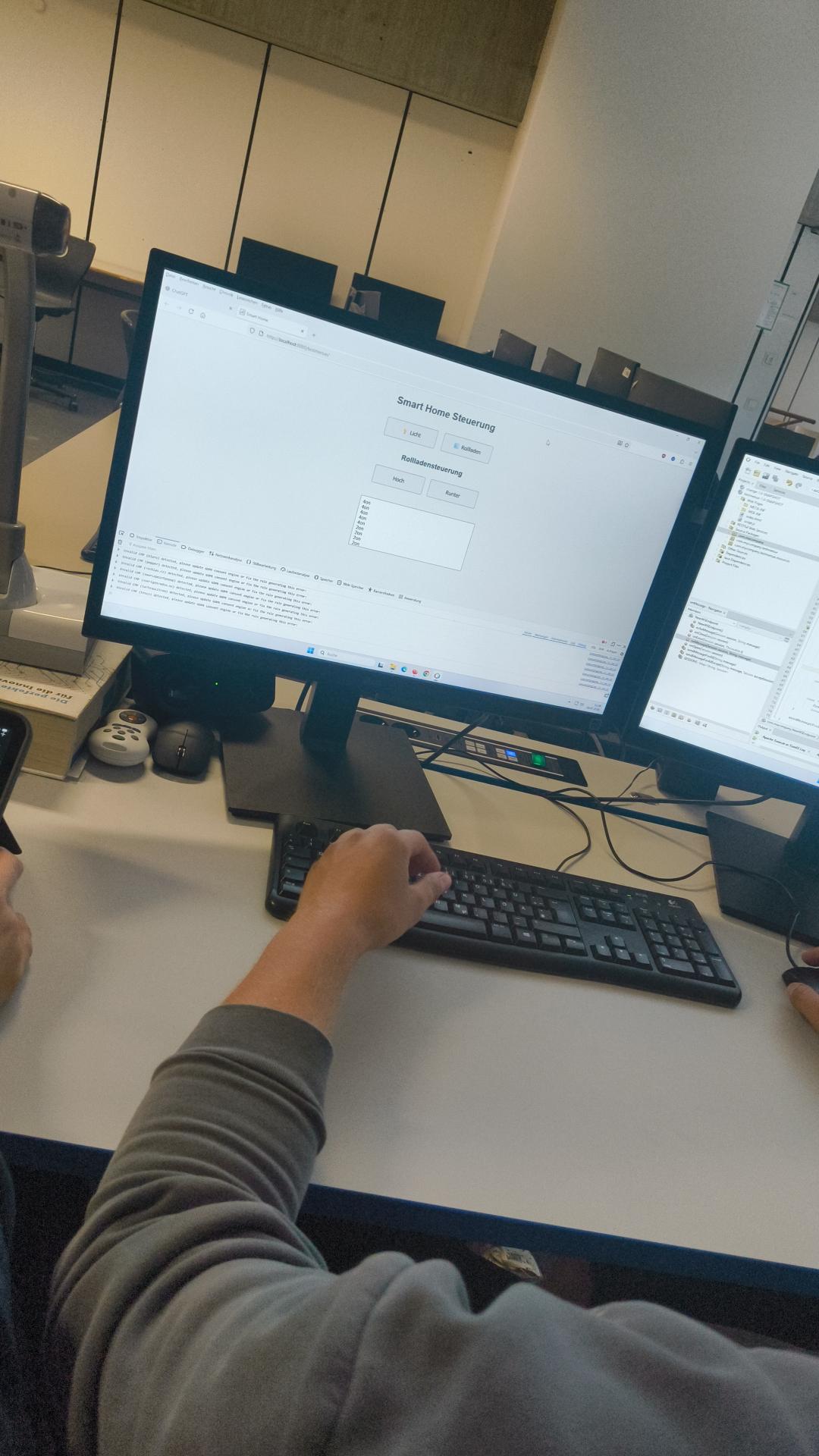
The following image shows the menu designed to make the control box easier and more intuitive to use. The interface is currently still under development, as the available project time was not sufficient to implement all planned features. Despite this, the current version already demonstrates the intended design and functionality, and it will continue to be expanded and improved in the future.
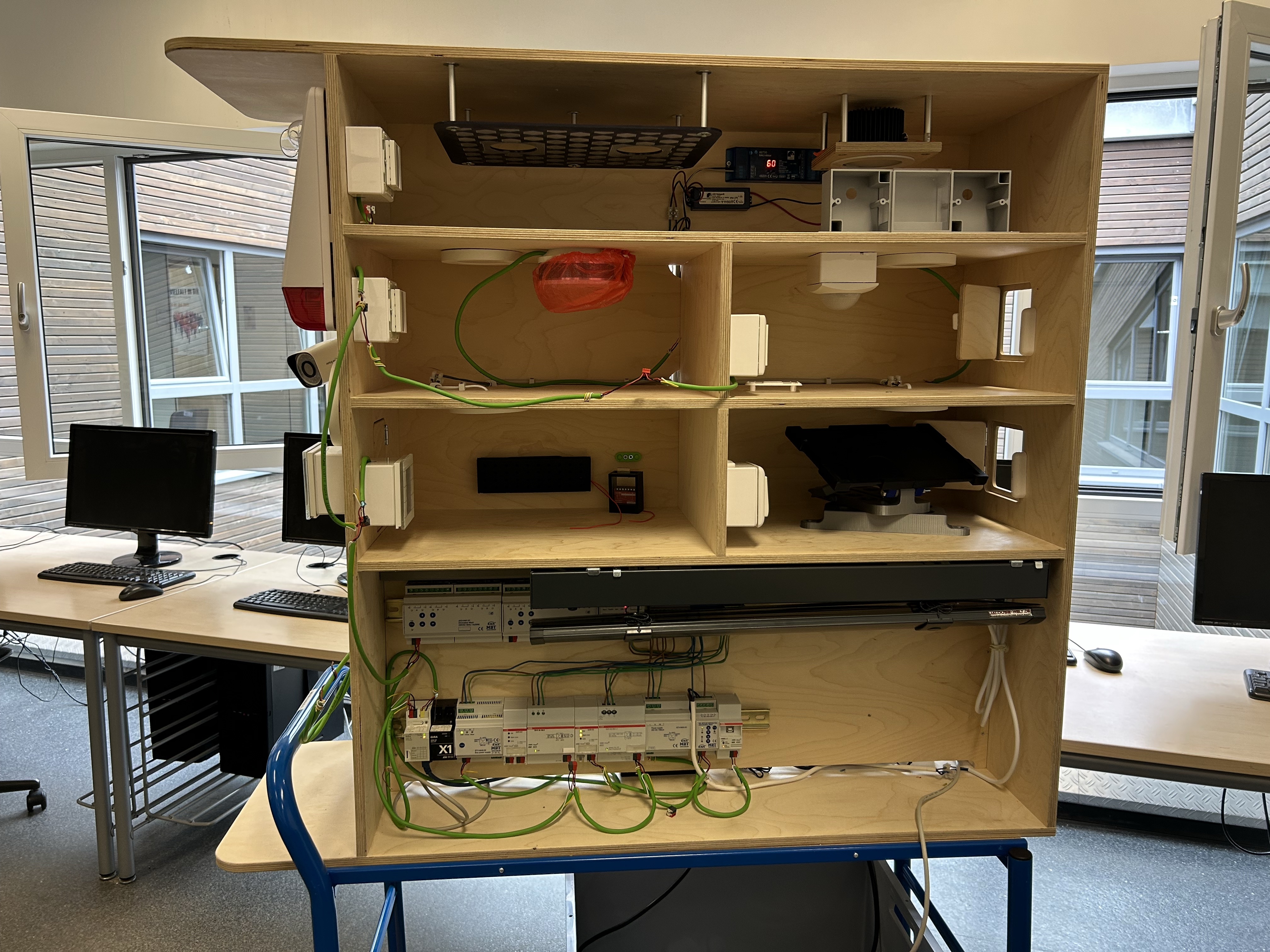
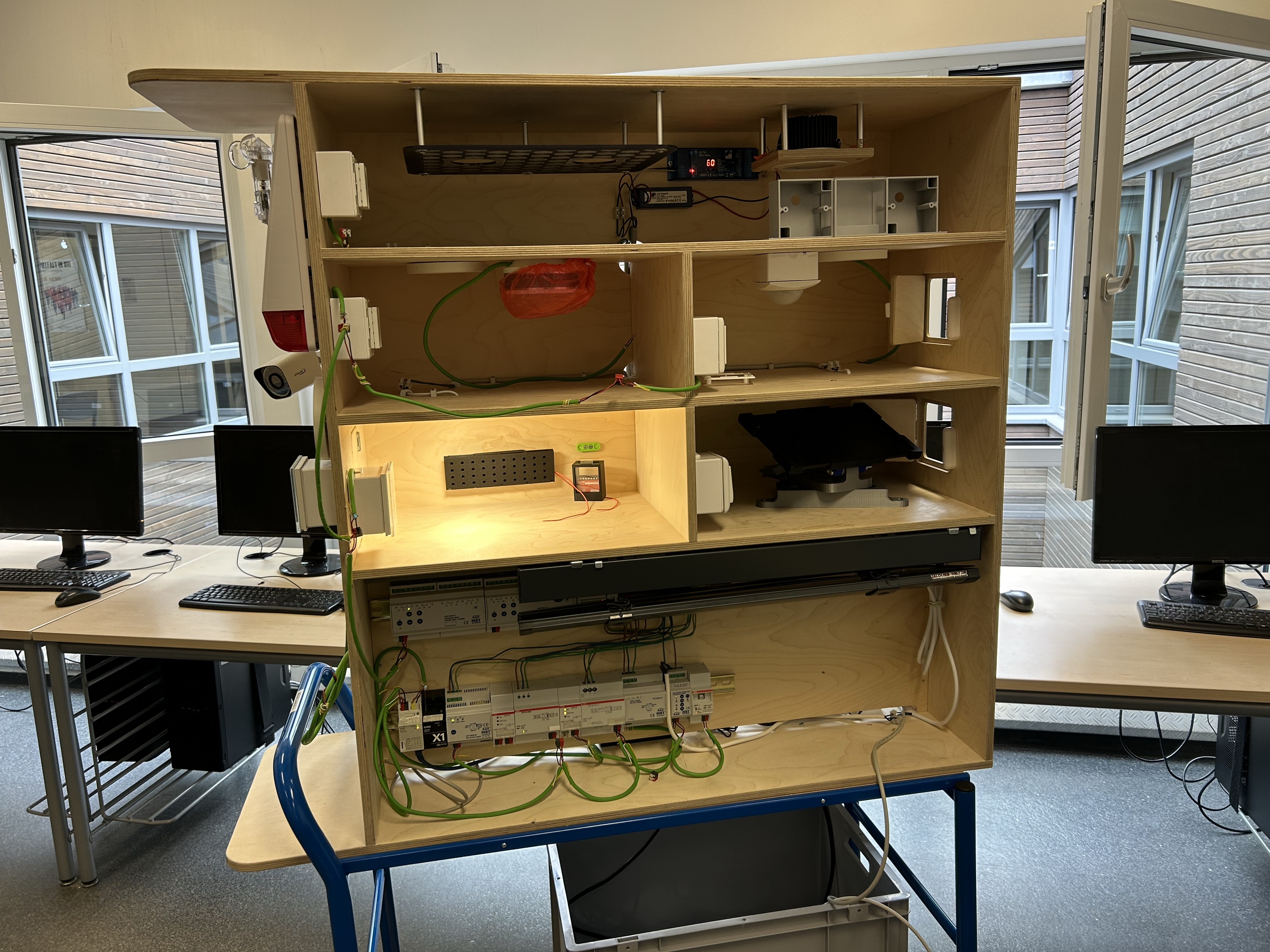
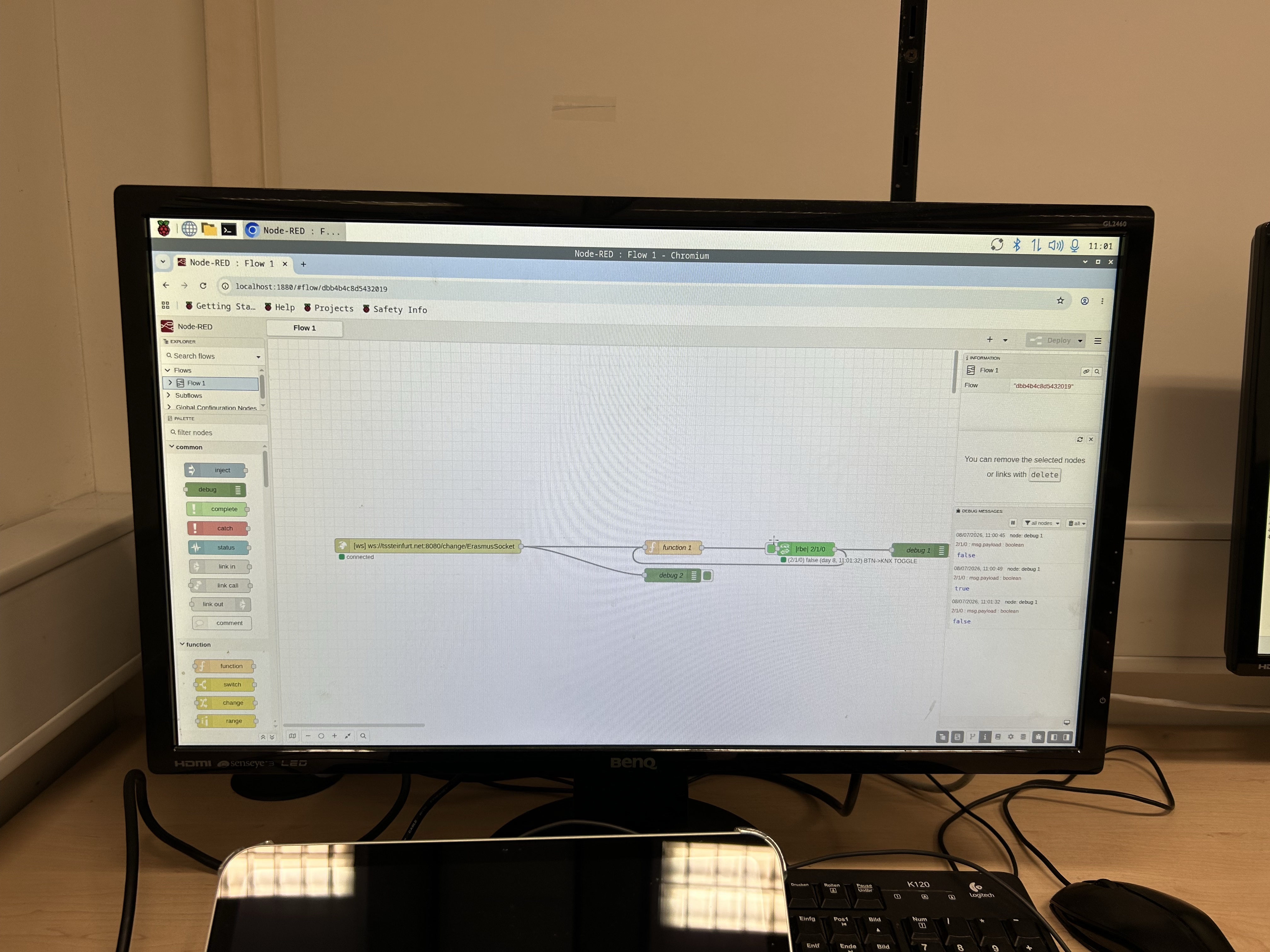
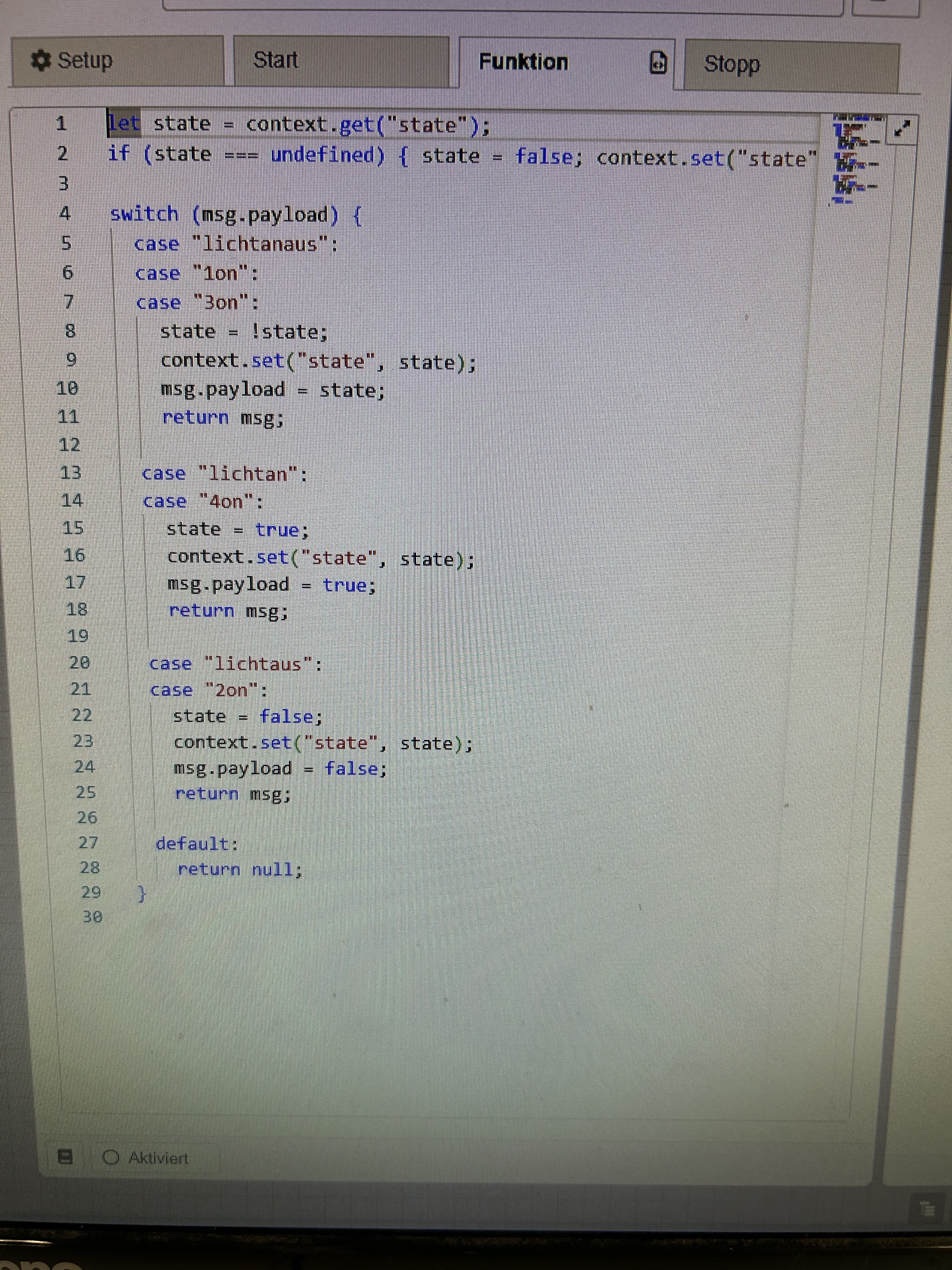
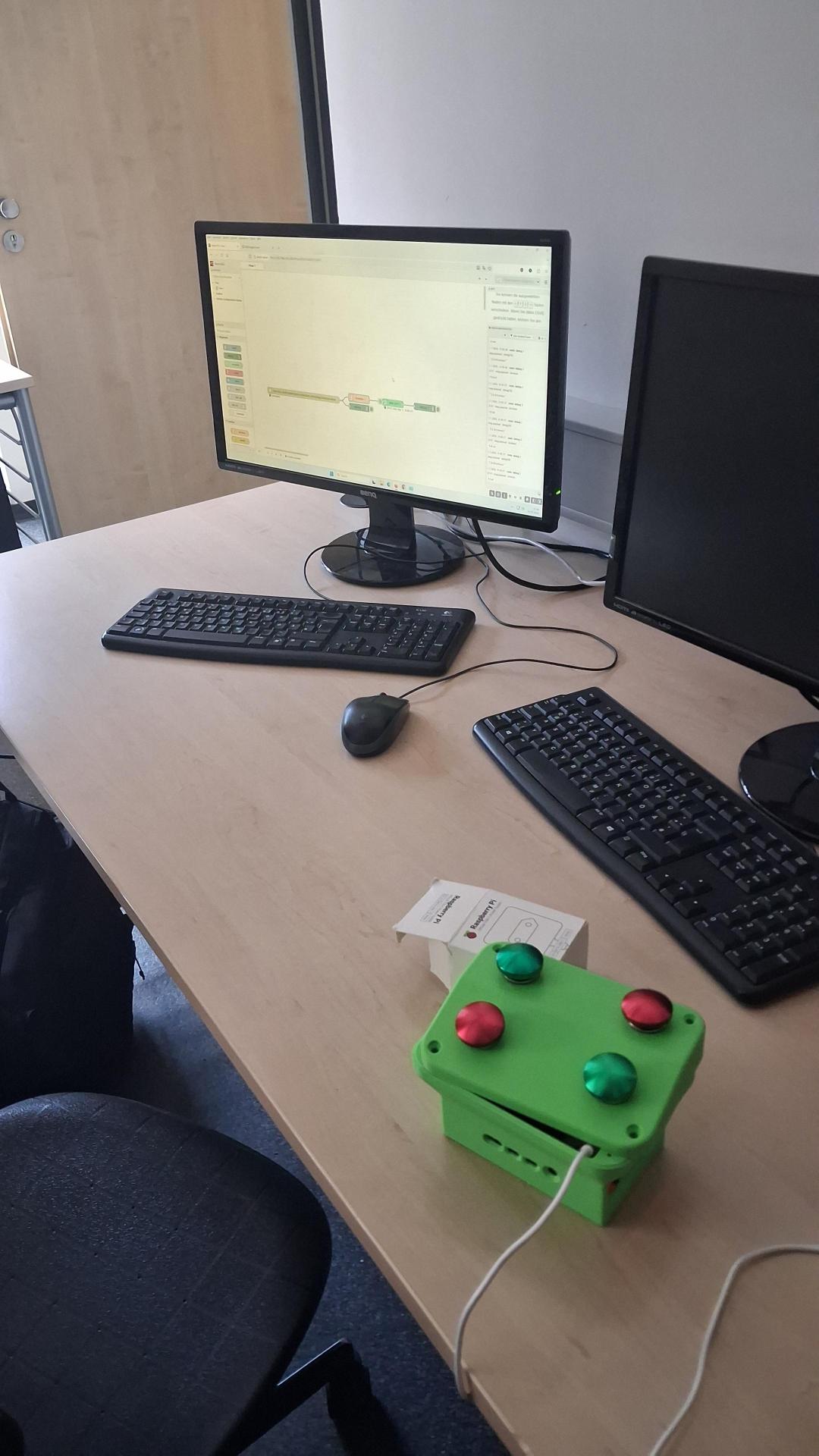
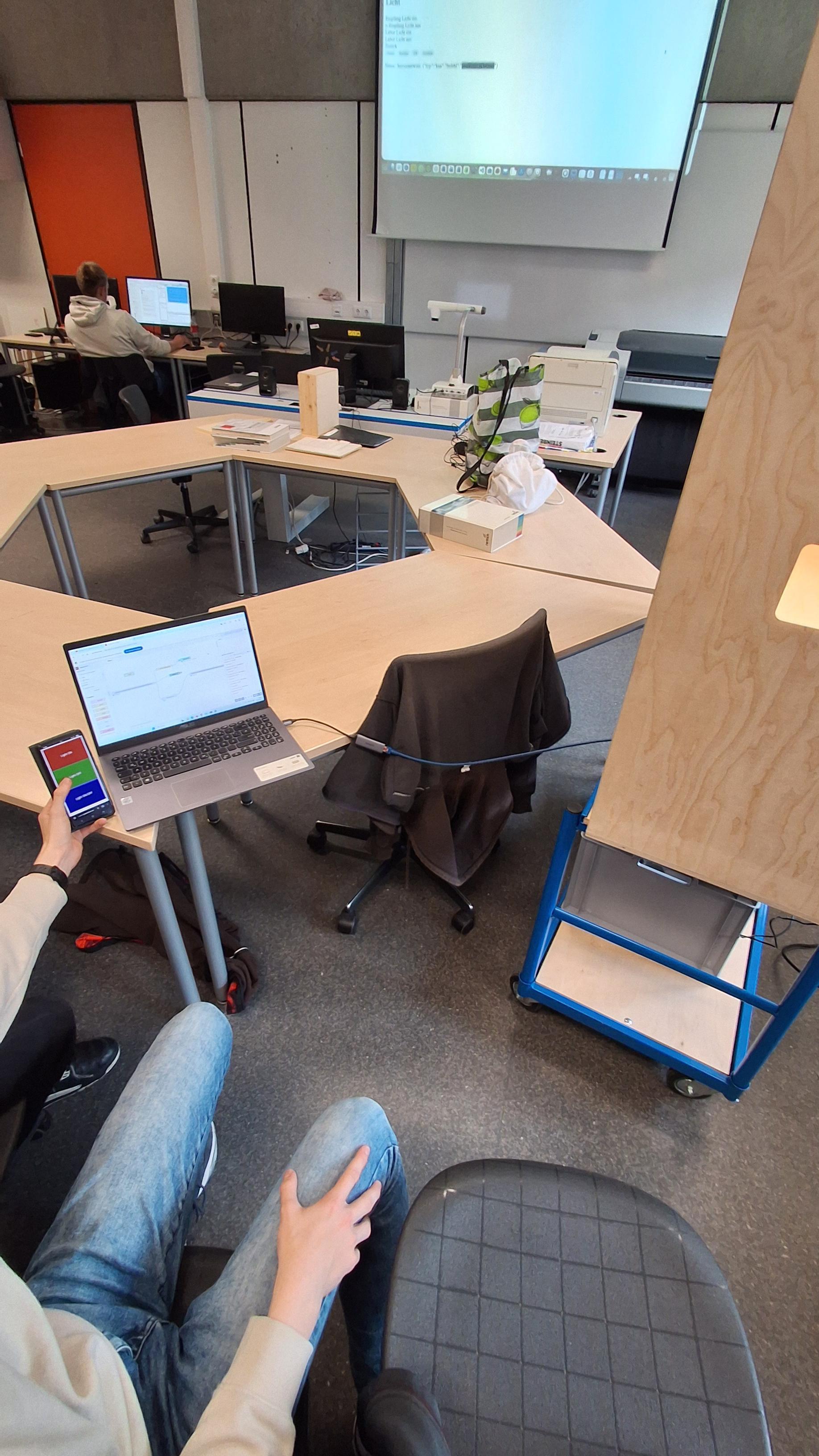
The following images show the development of the smart home control system. We used a Raspberry Pi with Node-RED installed to create a control interface for switching lights on and off. After successfully programming the system, we connected it with the control box and a smartphone, allowing the lights to be controlled through multiple devices. This demonstrates how the wheelchair control system can be expanded to operate smart home functions and improve accessibility for users.